
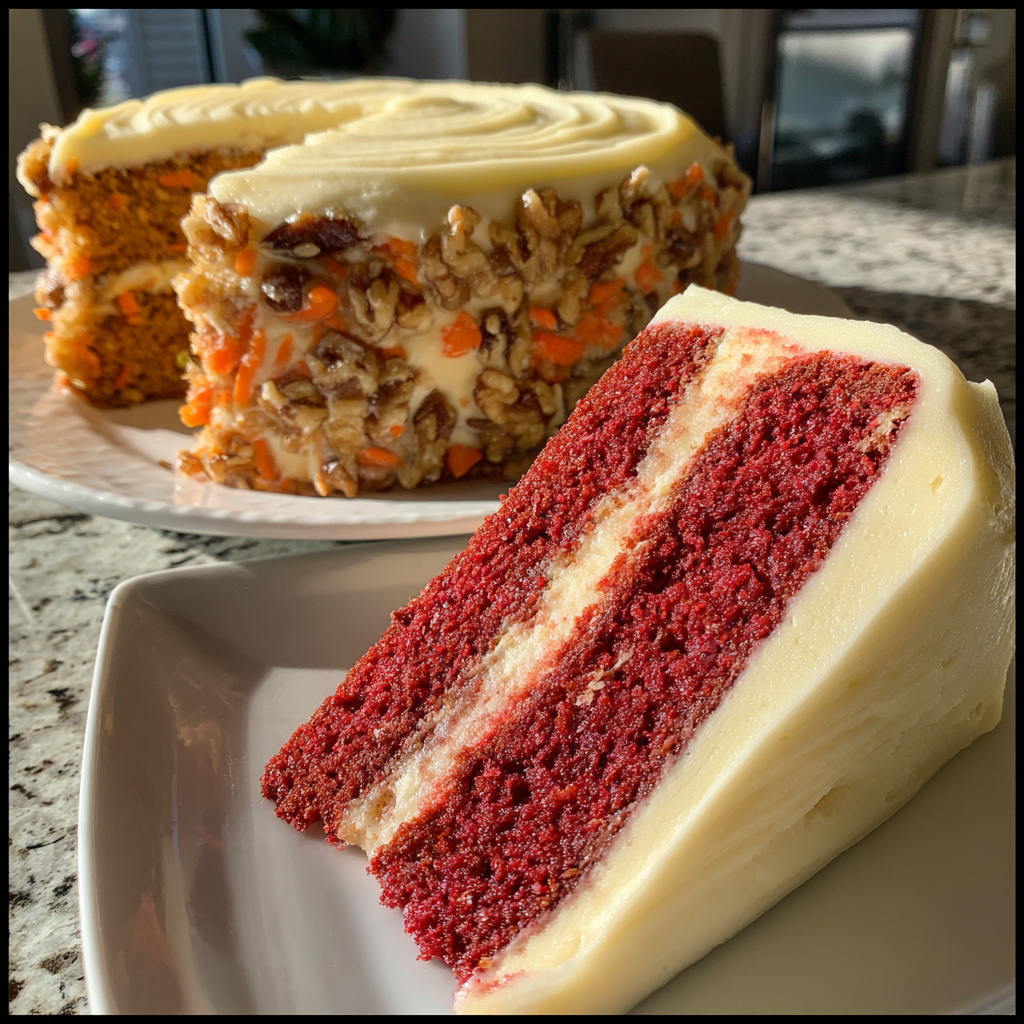
Cake Varieties: 30-Minute Perfect Guide to All Cakes
Cake varieties offer a delightful journey through flavors, textures, and traditions. Are you ready to explore the diverse world of cakes, each with its unique character and charm? Have you ever wondered what makes a chiffon cake different from a sponge cake? This guide promises to be your ultimate resource for understanding and appreciating the vast array of cake available.
Imagine the aroma of a freshly baked vanilla sponge cake filling your kitchen. Envision the moist, tender crumb of a carrot cake, studded with pecans and a tangy cream cheese frosting. Picture the rich, decadent layers of a chocolate fudge cake, melting in your mouth with every bite. The world of cake is a sensory explosion, waiting to be explored.
Baking and enjoying cakes offers several health benefits, particularly when using high-quality ingredients. For instance, carrots, a key ingredient in carrot cake, are packed with Vitamin A, essential for vision and immune function. Moreover, walnuts, often found in carrot cakes and other nut-based cakes, are a great source of Omega-3 fatty acids, beneficial for heart health. As a result, incorporating these ingredients into your baking can provide more than just a delightful treat.
Cocoa powder, the star of chocolate cakes, contains flavonoids, potent antioxidants that can help protect against cell damage. Furthermore, eggs, a staple in most cakes, are a complete protein source, providing all nine essential amino acids. Surprisingly, the simple act of baking can also reduce stress. The rhythmic mixing and measuring can be quite therapeutic.
This guide focuses on providing the best insights into various cake types. What makes this guide unique is its focus on both classic and contemporary cake varieties, offering tips and tricks for mastering each one. We delve into the nuances of ingredients, techniques, and flavor pairings, ensuring that every cake you bake is a masterpiece. In addition, this guide also explores regional variations and dietary adaptations, so there is truly something for everyone.
Families and beginners alike will find this guide invaluable. Whether you are looking to impress guests at a special occasion or simply want to bake a comforting treat for yourself, this guide provides the knowledge and inspiration you need. It’s a tested and proven resource, so you can bake with confidence and enjoy the sweet rewards of your labor.
This guide offers a comprehensive overview of cake varieties. Plan for 30 minutes of prep time, with cook times varying depending on the specific cake. Suitable for beginner to intermediate bakers, these recipes are perfect for weeknight baking, meal prep, or impressing guests with your baking skills.
What are Cake Varieties?
Cake varieties encompass a wide range of baked desserts, each distinguished by its ingredients, preparation methods, and flavor profiles. From light and airy sponge cakes to dense and rich chocolate cakes, the possibilities are endless. These variations are a testament to the creativity and versatility of baking, offering something for every palate and occasion.
The term “cake” generally refers to a sweet baked good made from flour, sugar, eggs, and fat. However, the specific proportions and types of these ingredients can dramatically alter the final product. For instance, a cake made with a high ratio of fat to flour will be moister and more tender than one with a lower ratio. Understanding these fundamental differences is key to mastering the art of cake baking.
Why You Will Love This Recipe
- Discover a wide array of cake types, from classic favorites to unique creations.
- Learn the secrets to achieving the perfect texture and flavor in every cake.
- Impress your friends and family with your newfound baking skills.
- Enjoy the satisfaction of creating delicious homemade treats.
- Adapt recipes to suit your dietary needs and preferences.
Ingredients You Need
- All-purpose flour: Provides structure and texture to the cake.
- Sugar: Adds sweetness and moisture, and helps with browning.
- Eggs: Bind the ingredients together and add richness.
- Butter or Oil: Contributes to tenderness and flavor.
- Baking Powder or Baking Soda: Leavening agents that make the cake rise.
- Milk or Buttermilk: Adds moisture and helps activate the leavening agents.
- Vanilla Extract: Enhances the flavor of the cake.
- Chocolate: For chocolate cakes, providing rich flavor and color.
- Cream Cheese: Essential for cheesecakes, adding tanginess and creamy texture.
- Carrots: Key ingredient for carrot cake, adding moisture, sweetness, and nutrients.
How to Make [Recipe Name] Step by Step
- Prepare Your Pans: Grease and flour your cake pans to prevent sticking. Alternatively, line the bottoms with parchment paper. This step is crucial for easy cake removal.
- Cream Butter and Sugar: In a large bowl, cream together the butter and sugar until light and fluffy. This process incorporates air into the batter, resulting in a tender crumb.
Pro Tip: Use softened butter for easier creaming. Avoid melting the butter, as this can affect the cake’s texture.
- Add Eggs: Beat in the eggs one at a time, mixing well after each addition. Incorporating eggs gradually ensures they are evenly distributed throughout the batter.
- Combine Dry Ingredients: In a separate bowl, whisk together the flour, baking powder, and salt. This ensures that the leavening agents are evenly distributed.
- Alternate Wet and Dry Ingredients: Gradually add the dry ingredients to the wet ingredients, alternating with the milk or buttermilk. Begin and end with the dry ingredients. This prevents overmixing, which can result in a tough cake.
- Mix in Flavorings: Stir in any flavorings, such as vanilla extract, chocolate, or spices. Ensure the flavorings are well incorporated for a consistent taste.
- Pour Batter into Pans: Divide the batter evenly among the prepared cake pans. Use a kitchen scale for precise measurements.
- Bake the Cakes: Bake in a preheated oven until a toothpick inserted into the center comes out clean. Baking times will vary depending on the size of the cake pans and the oven.
- Cool the Cakes: Let the cakes cool in the pans for a few minutes before inverting them onto a wire rack to cool completely. Cooling the cakes completely prevents them from sticking or breaking.
- Frost and Decorate: Once the cakes are completely cool, frost and decorate as desired. Get creative with your frosting and decorations to create a visually stunning cake.
Expert Tips for Best Results
- Use Room Temperature Ingredients: Room temperature ingredients combine more easily and create a smoother batter.
- Measure Accurately: Accurate measurements are essential for consistent results. Use a kitchen scale for precise measurements.
- Don’t Overmix the Batter: Overmixing can develop the gluten in the flour, resulting in a tough cake.
- Preheat Your Oven: A properly preheated oven ensures even baking.
- Check for Doneness: Use a toothpick or cake tester to check for doneness. The cake is done when the toothpick comes out clean.
- Cool Completely Before Frosting: Frosting a warm cake can cause the frosting to melt and slide off.
- Store Properly: Store cakes in an airtight container to prevent them from drying out.
Variations and Substitutions
- Gluten-Free: Substitute all-purpose flour with a gluten-free blend for a gluten-free cake.
- Dairy-Free: Use dairy-free butter and milk alternatives for a dairy-free cake.
- Vegan: Replace eggs with applesauce or flaxseed meal for a vegan cake.
- Seasonal Flavors: Incorporate seasonal fruits and spices, such as pumpkin spice in the fall or berries in the summer.
How to Serve and Store
Serve cakes at room temperature for the best flavor and texture. Pair with a scoop of ice cream, a dollop of whipped cream, or a drizzle of chocolate sauce. Cakes can also be served with fresh fruit or a dusting of powdered sugar.
Store leftover cake in an airtight container at room temperature for up to 3 days or in the refrigerator for up to 1 week. To prevent the cake from drying out, wrap it tightly in plastic wrap before storing it in the container.
Cakes can be frozen for longer storage. Wrap the cake tightly in plastic wrap and then in aluminum foil. Frozen cakes can be stored for up to 3 months. Thaw the cake in the refrigerator overnight before serving.
Reheat cake slices in the microwave for a few seconds or in a preheated oven at a low temperature until warmed through. Avoid overheating, as this can dry out the cake.
Frequently Asked Questions
Can I use oil instead of butter in a cake?
Yes, you can substitute oil for butter in many cake recipes. Oil will result in a moister cake, but it may lack the rich flavor that butter provides. Use a neutral-flavored oil, such as vegetable oil or canola oil.
What is the best way to prevent a cake from sticking to the pan?
Grease and flour your cake pans thoroughly to prevent sticking. Alternatively, line the bottoms of the pans with parchment paper. Make sure you allow the cake to cool slightly before you invert onto a wire rack.
How do I make a cake more moist?
To make a cake more moist, try adding more liquid to the batter, such as milk or buttermilk. You can also add a tablespoon of sour cream or yogurt. Be careful not to overbake the cake, as this can dry it out.
Can I freeze a cake with frosting?
Yes, you can freeze a cake with frosting. Place the cake in the freezer for a few hours to harden the frosting. Then, wrap the cake tightly in plastic wrap and aluminum foil. Thaw in the refrigerator overnight.
What is the difference between baking powder and baking soda?
Baking powder is a complete leavening agent that contains both an acid and a base. Baking soda, on the other hand, is a base that requires an acid, such as vinegar or buttermilk, to activate. They both help cake rise.
How do I prevent my cake from sinking in the middle?
Ensure that your oven temperature is accurate and avoid opening the oven door frequently during baking. Also, make sure you are not overmixing the batter and that your leavening agents are fresh. A sunken cake is a sign of underbaking.
In conclusion, exploring different cake varieties is a rewarding culinary adventure. You’ve learned about the diverse range of flavors and textures, from light sponge cakes to rich chocolate creations. Try this guide today and leave a comment below!
Print
cake varieties: 30 minuten Perfecte gids voor alle taarten
- Total Time: 30 minutes
- Yield: Variabel
Description
Ontdek de heerlijke wereld van taarten! Van luchtige biscuitgebak tot rijke chocoladetaarten, deze gids verkent de populairste en meest geliefde soorten taart.
Ingredients
- Biscuitgebak
- Chocoladetaart
- Red Velvet Taart
- Cheesecake
- Carrot Cake
Instructions
- [object Object]
- [object Object]
- [object Object]
- [object Object]
- [object Object]
Notes
- De baktijd kan variëren afhankelijk van de oven. Controleer de taart regelmatig met een satéprikker. Experimenteer met verschillende toppings en smaken om je eigen unieke taart te creëren!
- Prep Time: 30
- Category: Dessert
- Cuisine: Internationaal
Nutrition
- Serving Size: 1 stuk
Keywords: cake varieties, soorten taart, biscuitgebak, chocoladetaart, red velvet taart, cheesecake, carrot cake, taartrecepten, bakken, dessert