
You know that moment when you step back to admire your cake, only to see lumpy frosting and uneven edges staring back at you? I’ve been there—way too many times. After years of cake disasters (and a few tears over ruined buttercream), I finally cracked the code for that dreamy smooth frosting or ganache finish on cakes. It’s not magic, just a few tried-and-true tricks I picked up from pastry chefs and my own kitchen mishaps. Whether you’re covering a birthday cake or a wedding-tier masterpiece, trust me—this method is a game-changer. No fancy tools required, just patience and that “aha!” moment when your spatula glides like silk over the surface. Let’s make those bakery-worthy finishes happen at home!
Why You’ll Love This Method
This isn’t just another frosting tutorial—it’s your ticket to stress-free, stunning cakes. Here’s why:
- No fancy skills needed: If you can spread peanut butter on toast, you can do this.
- Works with any frosting: Buttercream, ganache, whipped cream—they all smooth like a dream.
- Hides all sins: Lopsided layers? Crumbs? The crumb coat is your secret weapon.
- Turntable optional: I’ve used dinner plates in a pinch—still works!
Seriously, once you nail this technique, you’ll never dread decorating again.
Ingredients for a Smooth Frosting or Ganache Finish
Gather these simple ingredients—quality matters more than quantity here. I’ve learned the hard way that shortcuts lead to bumpy frosting disasters!
- 1 batch of frosting or ganache (about 3–4 cups, room temperature for buttercream; ganache should be slightly warm but not runny)
- 1 fully cooled cake (seriously, no cheating—warm cakes melt frosting!)
- Offset spatula (that bent metal wand is worth its weight in gold)
- Turntable (optional, but spinning your cake makes smoothing 10x easier)
Pro tip: If your buttercream feels stiff, a teaspoon of milk or cream can loosen it up. For ganache, I like mine at “peanut butter” consistency—thick but spreadable.
Equipment You’ll Need
You don’t need a pastry chef’s toolkit—just these basics:
- Offset spatula (the MVP for smoothing)
- Bench scraper (for sharp edges)
- Parchment paper (lifesaver for messy hands)
- Turntable (game-changer, but a plate works in a pinch!)
That’s it—no fancy gadgets, promise!
How to Achieve a Smooth Frosting or Ganache Finish on Cakes
Alright, let’s get into the nitty-gritty of making your cakes look like they came straight from a patisserie window. I’ve ruined enough cakes to know exactly where things go wrong—and more importantly, how to make them go right. Follow these steps, and you’ll be amazed at what your hands can do!
Step 1: Prep the Cake and Frosting
First rule: your cake must be completely cool. I know, waiting is torture when you’re excited, but warm cake equals melty, sliding frosting—trust me, I’ve cried over this. While your cake chills, check your frosting. Buttercream should be soft but hold its shape when you scoop it. Ganache? Think peanut butter texture—thick but spreadable. Too stiff? A splash of warm cream fixes ganache; for buttercream, 5 seconds in the microwave (then stir!) works wonders.
Step 2: Apply the Crumb Coat
This is your secret weapon! Spread a thin layer of frosting (about 1/4 cup for a 9-inch cake) to trap all those pesky crumbs. Don’t worry about perfection here—just cover every inch. Pop it in the fridge for 15 minutes. That chill turns your crumb coat into edible armor, keeping crumbs locked away so your final layer stays pristine. (Pro tip: Use this time to lick the spatula—chef’s privilege!)
Step 3: Add the Final Layer
Now for the fun part! Pile on most of your remaining frosting (save a bit for touch-ups). Start at the top, pushing frosting outward with your offset spatula held at a 45-degree angle. Spin the turntable slowly as you work down the sides. Less is more with pressure—let the spatula glide. See gaps? Add tiny dollops, then smooth again. The goal isn’t thickness—it’s even coverage. For ganache, pour slowly from the center and guide it outward with your spatula. Breathe—it’s easier than it sounds!
Step 4: Perfect the Finish
Almost there! Warm your bench scraper under hot water (dry it first!), then hold it vertically against the cake’s side while spinning the turntable. One smooth motion upward removes excess frosting and creates that sharp edge. Top looking bumpy? Hold your spatula flat and spin. Still see flaws? Dip your spatula in hot water, dry it, and gently “melt” problem spots. Step back—you just made magic happen!
Pro Tips for a Flawless Finish
Want that “how did you DO that?” reaction? These little secrets make all the difference:
- Heat is your friend: Briefly warm your spatula or bench scraper—it melts imperfections away like magic. Just dry it thoroughly first!
- Parchment strips save edges: Tuck narrow strips under the cake’s base before frosting. Pull them out later for clean plate lines.
- The toothpick trick: Tiny air bubbles? Gently poke them and smooth over with a fingertip dipped in hot water.
- Final chill: 10 minutes in the fridge sets everything before slicing—patience rewards you with sharp cuts.
These are the tricks pros don’t always share—but now you know!
Common Mistakes to Avoid
Oh honey, I’ve made ALL these mistakes—learn from my frosting fails! First: never skip the crumb coat. Those tiny crumbs will haunt your final layer like glitter at a craft party. Second: warm frosting slides right off your cake (voice of experience here). Chill it if it gets too soft. And please, don’t overwork the frosting—poking and prodding creates air bubbles and tears. Walk away before you “fix” it into oblivion!
FAQ: Smooth Frosting or Ganache Finish on Cakes
Got frosting questions? I’ve got answers—these are the ones that used to keep me up at night!
Can I use store-bought frosting?
Absolutely! Just whip it first with a hand mixer for 30 seconds—it’ll fluff up and spread smoother. Add a pinch of salt if it’s too sweet (my grandma’s trick).
How do I fix air bubbles?
That bench scraper trick works miracles. But for stubborn bubbles, gently poke them with a toothpick, then smooth over with a warm spatula. Works every time!
Why does my ganache look streaky?
Likely slight temperature changes while setting. Next time, let it cool undisturbed—no stirring! For emergency fixes, a hairdryer on low held a foot away can melt streaks evenly.
Crumb coat necessary for ganache too?
Surprisingly, yes! Even glossy ganache grabs crumbs. Do a thin chocolate “undercoat,” chill 10 minutes, then pour your final layer.
Can I do this without a turntable?
I’ve used lazy Susans, dinner plates—even spun cakes on parchment paper! Just rotate slowly as you smooth.
Storing and Serving Tips
Buttercream cakes can sit out for 2 days (covered!), but ganache loves the fridge—just let it come to room temp before serving so it’s not rock-hard. Humidity is frosting’s worst enemy, so avoid displaying cakes in steamy kitchens. Leftovers? A quick 10-second microwave zap makes slices taste fresh-baked again. Trust me, nobody likes cold, hard frosting!
Nutritional Information
Nutritional values are estimates only and will vary based on your specific ingredients and brands. A typical slice with frosting contains roughly 250 calories, 20g sugar, and 12g fat. Always check your labels!
Final Thoughts
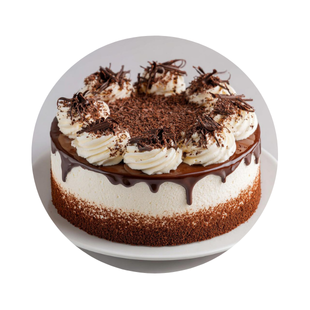
There you have it—my foolproof method for that glossy, smooth frosting or ganache finish that makes cakes look professionally made. Give it a try and tag me in your photos! Nothing makes me happier than seeing your gorgeous creations. Happy baking!
Print
Master the Perfect Smooth Frosting or Ganache Finish in 3 Easy Steps
- Total Time: 25 minutes
- Yield: 1 cake 1x
- Diet: Vegetarian
Description
Learn how to achieve a smooth frosting or ganache finish on cakes with simple steps.
Ingredients
- 1 batch of frosting or ganache
- 1 cake, cooled
- Offset spatula
- Turntable (optional)
Instructions
- Prepare your frosting or ganache and ensure it’s at the right consistency.
- Place your cake on a turntable or stable surface.
- Apply a thin crumb coat to seal in crumbs.
- Chill the cake for 15 minutes to set the crumb coat.
- Apply a thicker layer of frosting or ganache.
- Smooth the sides and top using an offset spatula.
- Chill again if needed for a firmer finish.
Notes
- Use room-temperature frosting for easier spreading.
- A turntable helps achieve even smoothing.
- Chilling between layers prevents smudging.
- Prep Time: 10 minutes
- Cook Time: 0 minutes
- Category: Dessert
- Method: Spreading
- Cuisine: International
Nutrition
- Serving Size: 1 slice
- Calories: 250
- Sugar: 20g
- Sodium: 100mg
- Fat: 12g
- Saturated Fat: 7g
- Unsaturated Fat: 4g
- Trans Fat: 0g
- Carbohydrates: 30g
- Fiber: 1g
- Protein: 2g
- Cholesterol: 20mg
Keywords: cake frosting, ganache, smooth finish, cake decorating